A two-flavor protein line packaged for retail — front-of-pack branding and a full regulatory back panel, built as a single print-ready pouch dieline.
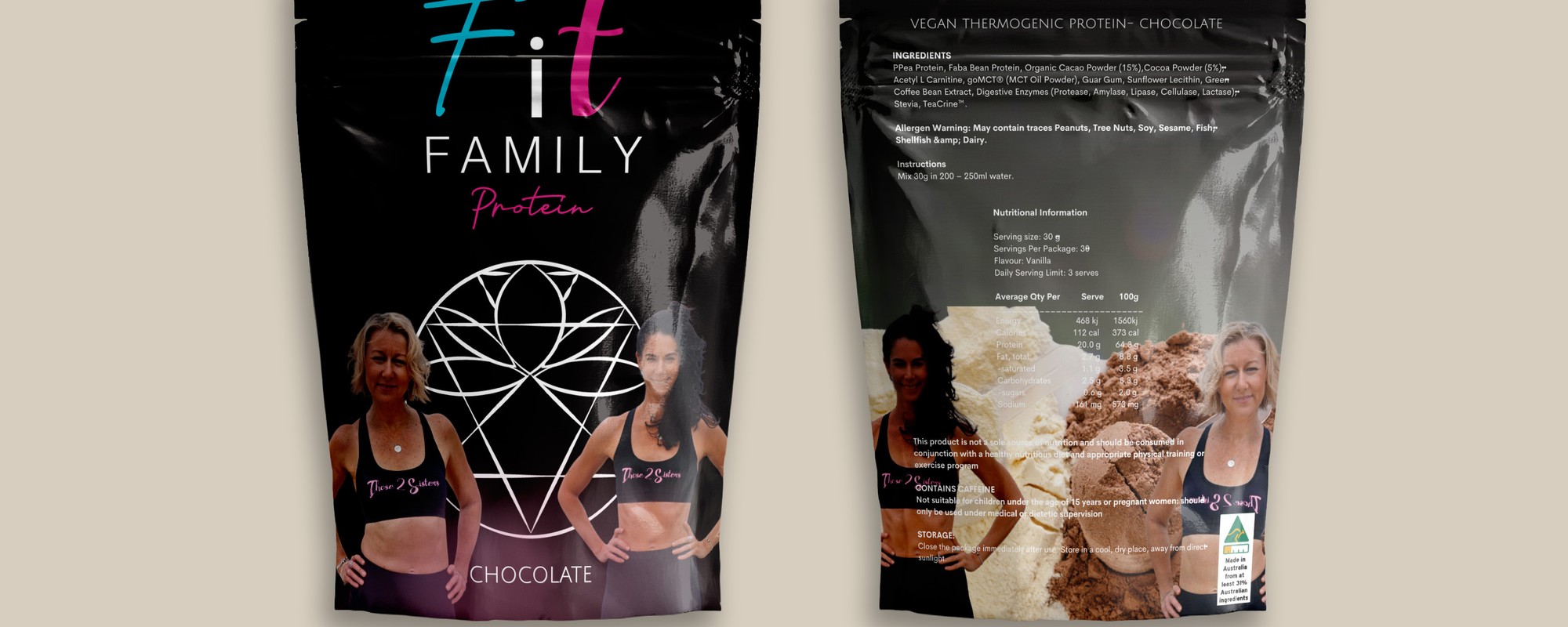
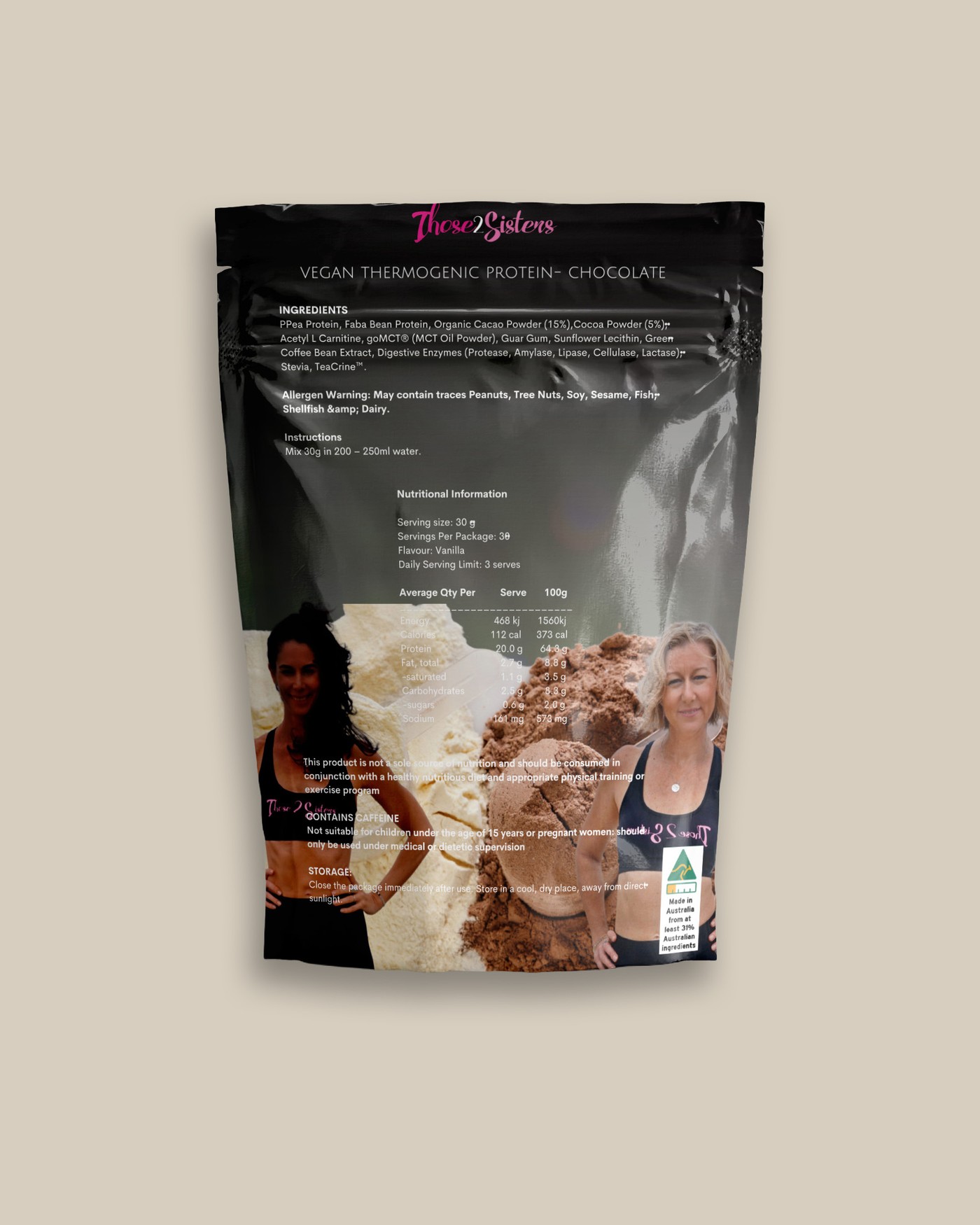
Front and back of the finished Chocolate pouch — the front carries the brand, the back carries a full regulatory panel, both from one press-ready dieline.
Packaging is the hardest kind of print work to fake. A flyer can be forgiving; a retail pouch cannot. It has to carry the brand on the shelf, hold a legally required information panel, and fold and seal correctly as a physical object — all on one flat file that a converter prints, cuts, and forms into a bag.
This project was a protein supplement line for Those 2 Sisters, sold under the Fit Family brand. I designed the packaging for two flavors — Chocolate and Vanilla — as a single reusable system, then prepared each as a press-ready dieline for a flexible-pouch converter.
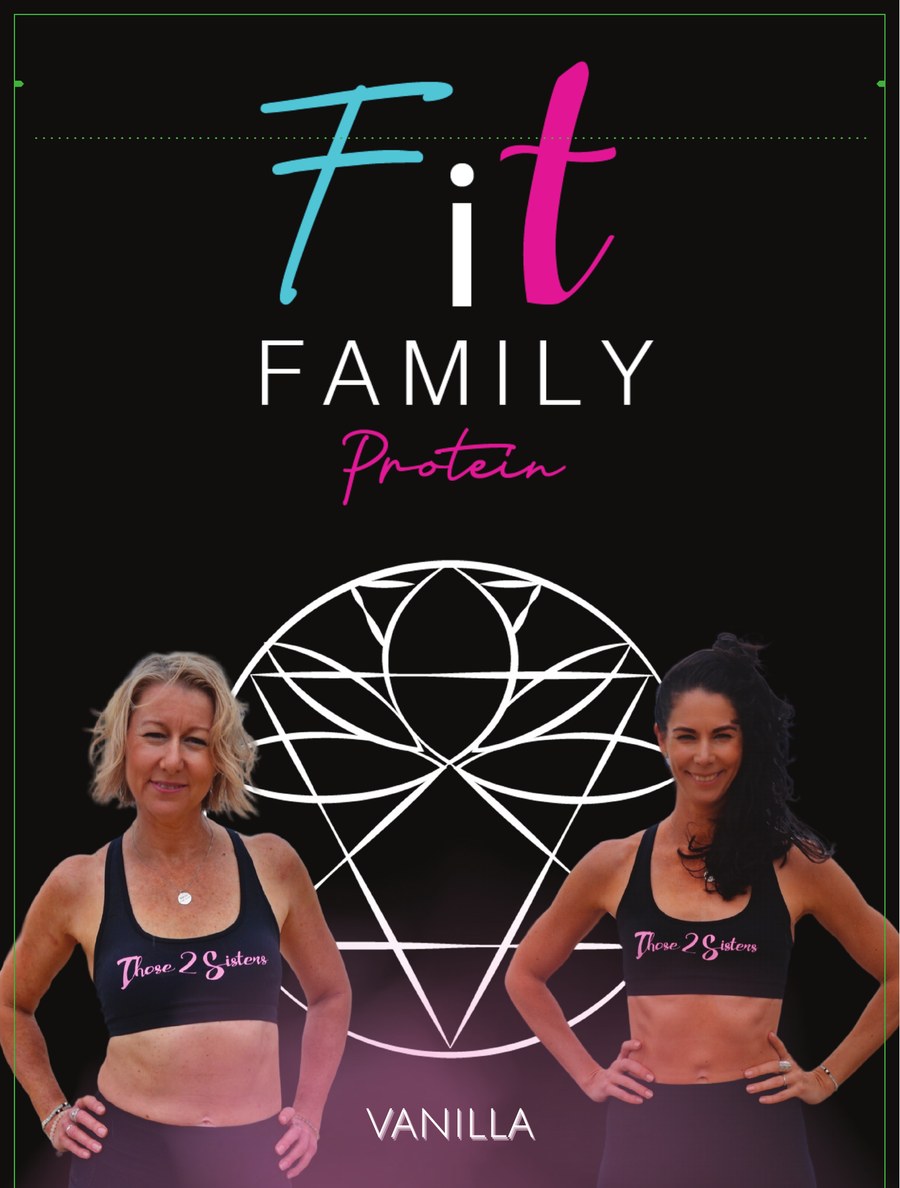
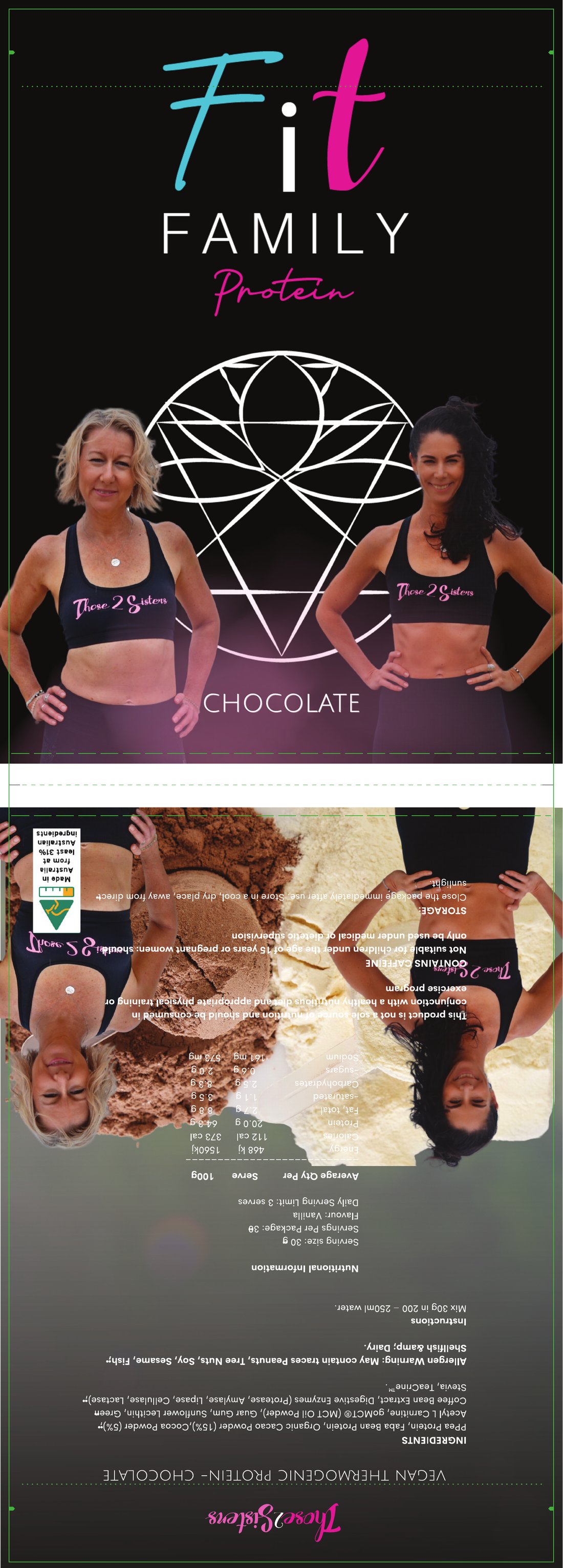
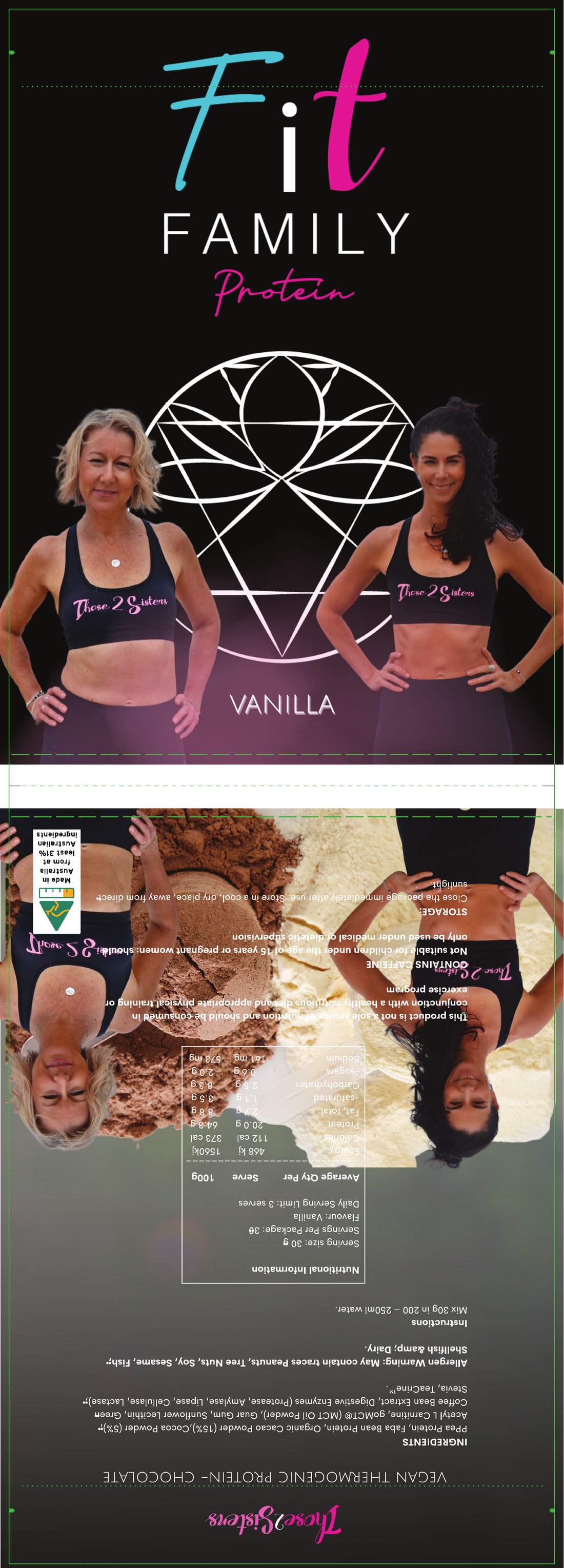
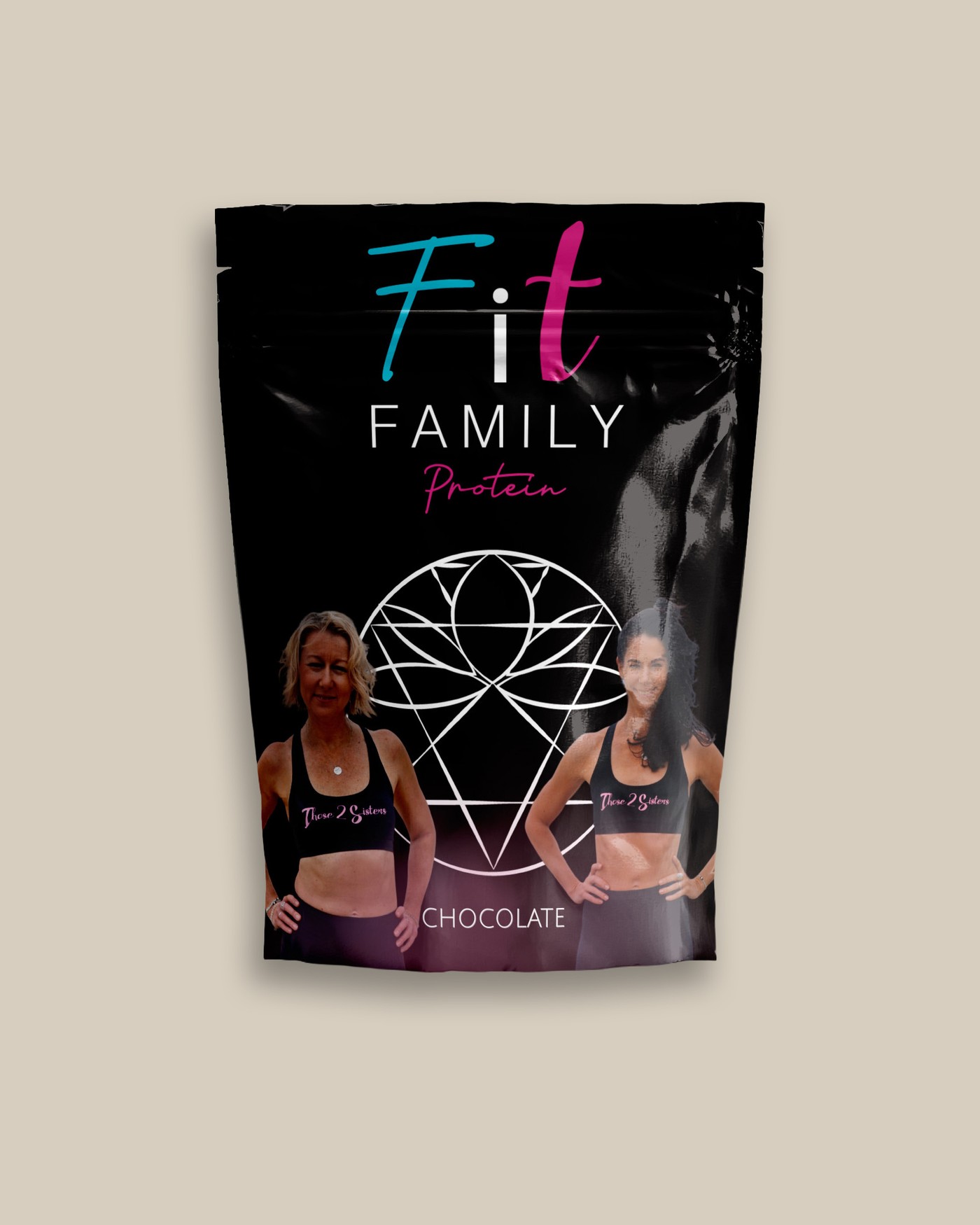
The front face does the selling. I built a layout that puts the Fit Family wordmark and the brand's diamond motif up top, the founders front-and-center as the trust signal, and the flavor name anchored at the base. Because the two SKUs share everything but the flavor name and its accent color, the line reads as a family on the shelf instead of two unrelated bags.


Designing both as one system is what makes a line extensible: a third flavor drops into the same structure without redrawing the bag.
The back panel is where packaging stops being graphic design and becomes compliance. This one carries the nutritional information panel, the full ingredient list, allergen warnings, storage and usage instructions, a pregnancy/medical advisory, and a country-of-origin mark — all set to stay legible at the real printed size and laid out around the pouch's fold and seal zones.
Getting this right means treating the supplied data as something to verify, not just typeset: the panel has to be complete, accurate, and positioned so nothing critical lands on a fold or inside the seal allowance.


A stand-up pouch isn't printed like a flat sheet — the artwork wraps a single web of film that gets folded, sealed, and formed into a bag. So the file has to account for the physical structure: the back panel sits inverted relative to the front, dashed seal lines mark where the film bonds, and bleed runs past every trim edge so no unprinted film shows after forming.
Why this matters for hire: packaging proves the full prepress skill set in one artifact — brand design, a compliant information panel, and a structurally correct print file. It's the same discipline behind the large-format and commercial print work, applied to the least forgiving format there is.
The same hand-to-vector craft extends into short-form animation — logo builds and identity bumpers. See the animated work on the Motion page →
Front-of-pack branding, a compliant information panel, and a press-ready dieline — designed and production-prepped together.
Start a project →